
Call: 07313726605
 Send Inquiry
 Send Inquiry
Rotary Furnace
Price 1500000 INR/ Unit
MOQ : 1 Unit
Rotary Furnace Specification
- Feature
- Energy Efficient, Low Maintenance, Robust Construction
- Rating
- High Performance
- Condition
- New
- Type
- Rotary Furnace
- Usage
- Industrial Melting
- Power
- Electric or Oil Fired Options
- Voltage
- 220V - 440V
- Size
- Customizable as per requirement
- Dimensions
- As per design specifications
- Weight
- Design-specific
- Application
- Metal Recycling, Alloy Melting
- Fuel Type
- Oil, Gas, or Electric
- Capacity
- Up to 15 Tons per batch
- Automation Grade
- Semi-Automatic / Automatic
- Melting Time
- 2 to 4 hours per batch
- Chamber Lining
- Refractory Lined
- Exhaust System
- Included with Air Pollution Control
- Mobility
- Stationary or Skid Mounted
- Temperature Range
- Up to 1600°C
- Rotational Speed
- Variable, up to 8 rpm
- Installation Service
- Available
- Door Type
- Hydraulic / Manual
- Operational Safety
- Equipped with Safety Interlocks and Emergency Stop
- Heating Method
- Direct and Indirect Heating Options
- Surface Finish
- Painted / Coated for Corrosion Protection
- Control System
- PLC/Automatic or Manual
- Material
- Mild Steel / Stainless Steel
Rotary Furnace Trade Information
- Minimum Order Quantity
- 1 Unit
- Supply Ability
- 1 Unit Per Month
- Delivery Time
- 15-20 Days
About Rotary Furnace
Since 1984, we have been engaged in manufacturing and supplying a huge range of Rotry Furnace to our clients. Offered furnace is mainly used for providing heat for a process. Provided furnace is an equipment that is ideal for attaining higher processing temperature. It is widely demanded in manufacturing, automobile and other industries. This furnace is manufactured using quality approved components under guidance of our experienced professionals. In addition to this, offered Rotry Furnace can be bought from us in various specifications.
Key Points:
Key Points:
- Enhanced durability
- Free from defect
- Fast processing unit
Energy-Efficient Melting Solutions
The rotary furnace is an ideal solution for industries seeking energy-efficient and robust melting equipment. Engineered with refractory lining and durable surface finishes, it stands up to demanding conditions while minimizing heat loss. The sophisticated control system ensures precise temperature management, optimizing fuel consumption and output quality.
Versatile and Customizable Design
We understand every facility has unique requirements. Thats why our rotary furnaces are customizable in size, fuel type, and control systems. Choose between stationary or skid-mounted options with manual or fully automated operation. Variable rotational speed improves melting uniformity, perfect for both large-scale recycling and specialized alloy production.
Comprehensive Safety and Environmental Compliance
Safety and compliance are front and center with features like hydraulic doors, emergency stops, and safety interlocks. The integrated air pollution control system ensures environmentally responsible operation, making our rotary furnaces suitable for modern industrial standards with minimal environmental impact.
FAQs of Rotary Furnace:
Q: How does a rotary furnace operate for industrial metal melting?
A: A rotary furnace employs a rotating refractory-lined chamber that evenly exposes material to heat from direct or indirect sources. The rotation ensures homogeneous mixing and efficient melting, making it ideal for applications like metal recycling or alloy manufacturing.Q: What are the benefits of using a PLC/automatic control system with the rotary furnace?
A: A PLC/automatic control system allows precise temperature and rotational speed management, improving melting consistency, efficiency, and safety. It also enables remote monitoring and easier process adjustments compared to manual systems.Q: When should I use a direct versus indirect heating method in the rotary furnace?
A: Direct heating is suitable for faster melting and applications where the product can contact combustion gases, such as scrap recycling. Indirect heating is preferred for cleaner meltsideal for alloys sensitive to contamination, as it prevents direct exposure to flames or combustion byproducts.Q: Where can the rotary furnace be installed, and is professional installation available?
A: The furnace can be installed in industrial settings requiring metal melting, such as foundries, recycling plants, and alloy manufacturing facilities. Professional installation services are available to ensure proper setup and compliance with safety standards.Q: What materials are suitable for melting in this furnace, and what is the batch capacity?
A: This rotary furnace can process a variety of metals, including aluminum, lead, copper, and alloys, with a batch capacity of up to 15 tons. It is designed for flexibility in metal recycling and alloy production applications.Q: How does the integrated exhaust and air pollution control system function?
A: The exhaust system captures and filters gases produced during the melting process. The air pollution control unit reduces emissions, ensuring compliance with environmental regulations and safer workplace air quality.Q: What maintenance is required and what are the long-term benefits?
A: Routine maintenance typically involves inspecting and cleaning the refractory lining, exhaust system, and mechanical parts. The energy-efficient and robust design reduces downtime and overall maintenance costs, promoting long-term operational reliability and cost savings.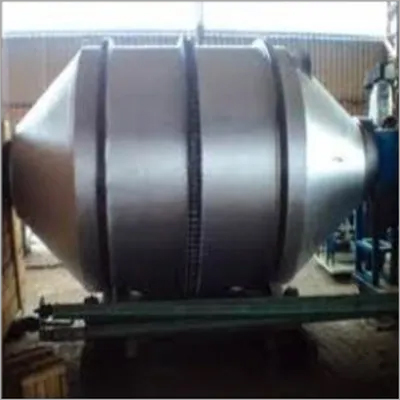
Tell us about your requirement

Price:
Quantity
Select Unit
- 50
- 100
- 200
- 250
- 500
- 1000+
Additional detail
Mobile number
Email

More Products in Furnace Machine Category
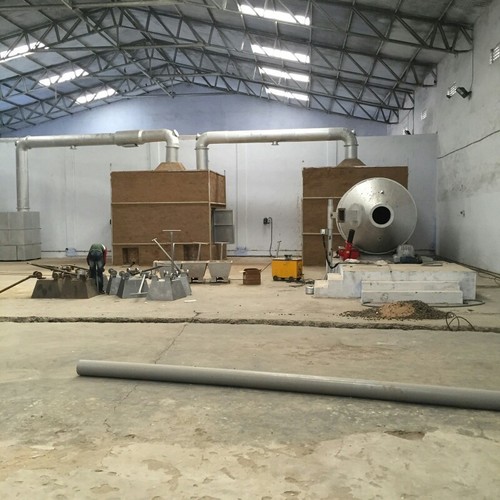
Tilting Rotary Furnace
Price 1500000 INR / Unit
Minimum Order Quantity : 1 Unit
Capacity : 120 Tons per batch (standard range)
Condition : New
Power : Electric/Heavy Duty
Feature : 360 tilting, Energy efficient, Automated operation
Lead Rotary Furnace
Price 1500000 INR / Unit
Minimum Order Quantity : 1 Unit
Capacity : 3 to 25 tons per batch
Condition : New
Power : Electric / Oil / GasFired
Feature : High Thermal Efficiency, Robust Construction, Easy Operation, Low Maintenance

Contact Details
KAHLON ENGINEERS
GST : 03AYWPS7407D1Z5
- Sangowal Road, Village Bulara,Ludhiana - 141116, Punjab, India
- Phone :07313726605
 Send Inquiry
Developed and Managed by Infocom Network Private Limited.
